
15 Best Mountain Destinations for Nature Lovers and Adventure Seekers
Mountains have a way of putting everything in perspective. The thin air, the sweeping views, and the quiet of a high trail draw millions of travellers every year, whether they want a gentle day walk or a multi-day trek to a summit. Some ranges are famous for hiking, others for climbing, wildlife, or sheer scenery. Here are 15 of the best mountain destinations around the world, with tips to help you choose and plan.
Africa
1. Drakensberg, South Africa
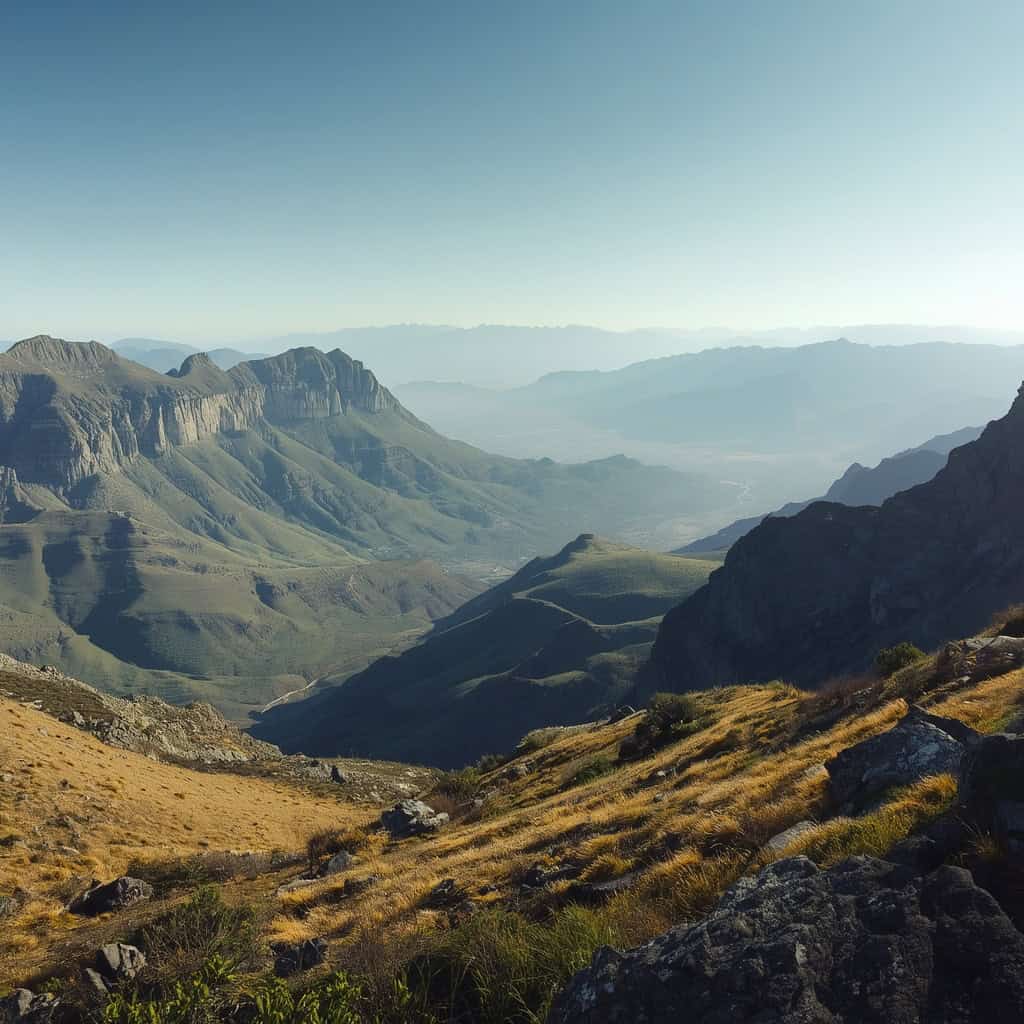
A massive basalt escarpment with dramatic cliffs, waterfalls, and ancient San rock art, the Drakensberg offers hikes for every level. Popular routes include the Amphitheatre area in Royal Natal National Park and the trails around Cathedral Peak and Giant’s Castle. Summer brings afternoon thunderstorms, while winter nights can be freezing and snow is possible, so pack layers year-round.
2. Mount Kilimanjaro, Tanzania
Africa’s highest peak is a bucket-list climb that doesn’t require technical mountaineering skills. The journey passes through rainforest, moorland, alpine desert, and glaciers. Altitude is the main challenge, so choose a longer route that allows proper acclimatisation, and go with a reputable, ethical operator.
3. Rwenzori Mountains, Uganda
Known as the “Mountains of the Moon,” these glacier-capped peaks offer misty forests, giant heather, and unusual alpine plants. It’s a remote, rugged trek for experienced hikers, with wet conditions and muddy trails common.
Europe
4. Swiss Alps, Switzerland
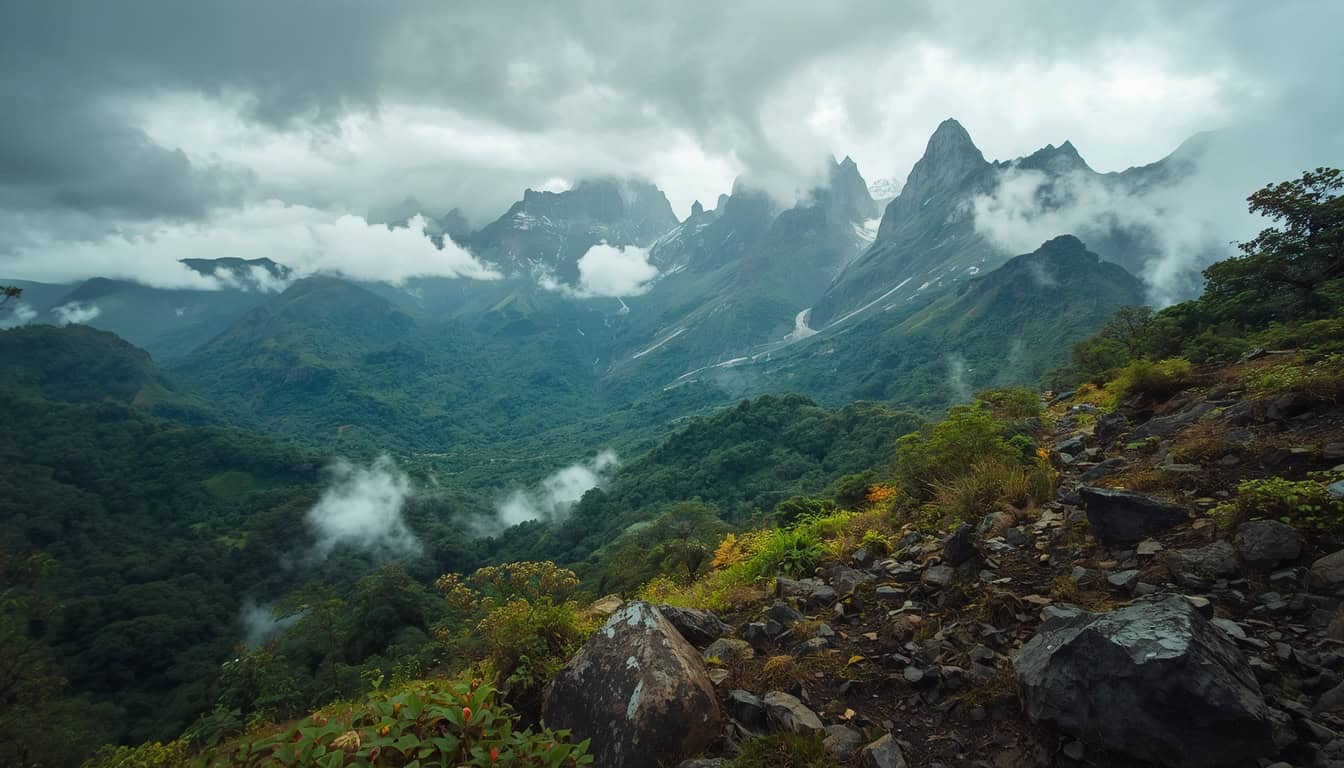
Snow-capped peaks, glaciers, and charming villages make Switzerland a classic mountain destination. Zermatt, beneath the Matterhorn, and the Jungfrau region offer scenic trails, cable cars, and mountain railways. Switzerland is well organised but expensive, so plan your budget carefully.
5. Dolomites, Italy
Jagged, rose-tinted peaks and green alpine meadows define this UNESCO World Heritage region. Hikers can follow well-marked trails between mountain huts (rifugi), while experienced climbers enjoy via ferrata routes with fixed cables. Summer is busy, so book huts early.
6. Mont Blanc and Chamonix, France
The Alps’ highest peak towers above Chamonix, a hub for hiking, climbing, and mountain biking. The Tour du Mont Blanc, a multi-day trek circling the massif through France, Italy, and Switzerland, is one of Europe’s most famous long-distance hikes.
Asia
7. Everest Region, Nepal
Trekking to Everest Base Camp or nearby viewpoints like Kala Patthar takes you through Sherpa villages, monasteries, and soaring Himalayan scenery. It’s a demanding trek at high altitude, so allow time to acclimatise, and travel with a reliable guide or agency.
8. Ladakh, India
A high-altitude desert landscape of stark mountains, monasteries, and turquoise lakes, Ladakh is popular with trekkers, road trippers, and cultural travellers. Altitude sickness is a real risk, so rest on arrival and ascend gradually.
9. Japan Alps, Japan
Dramatic ridgelines, alpine lakes, and hot springs make the Japan Alps a rewarding destination for hikers. Kamikochi is a beautiful, accessible valley with scenic walks. Mountain huts and public transport make trips easy to plan, though the hiking season is limited by snow.
North America
10. Canadian Rockies, Canada
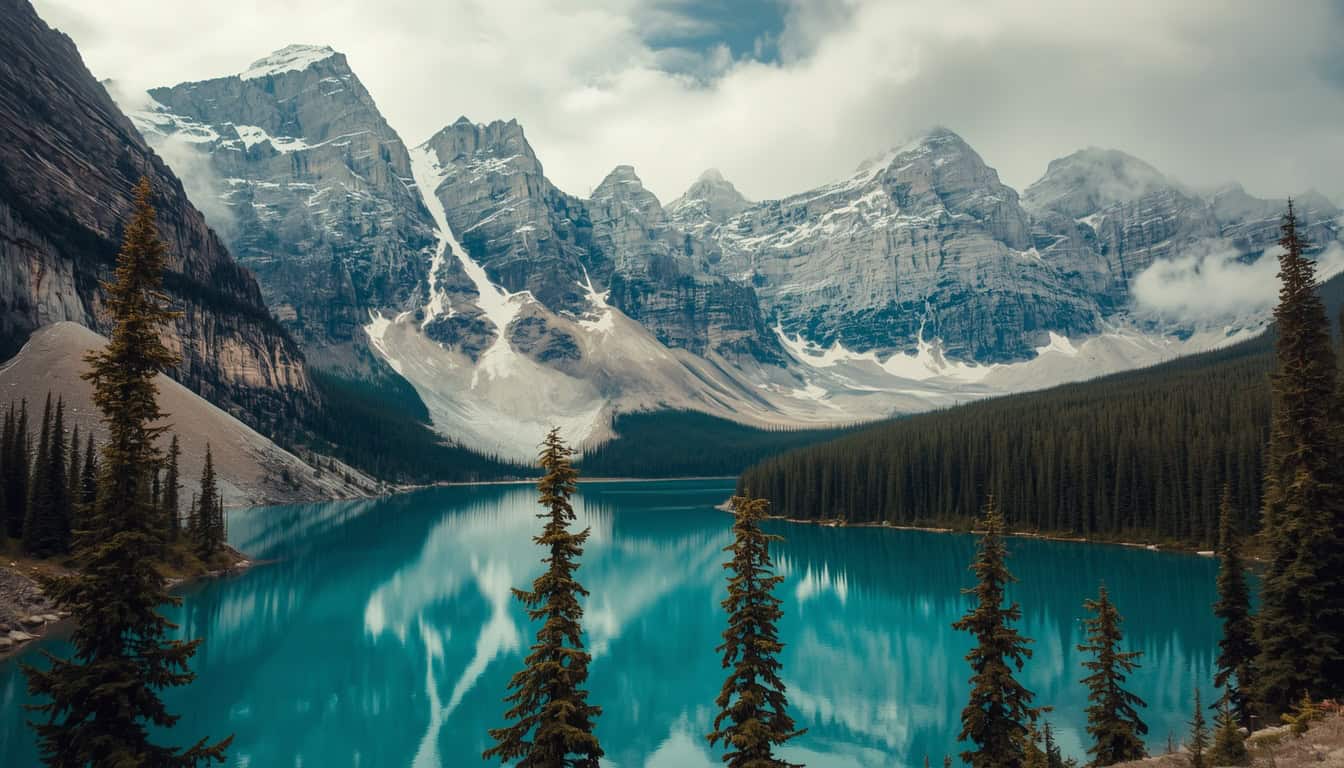
Banff and Jasper national parks combine turquoise lakes, glaciers, and dramatic peaks with abundant wildlife. Hiking, canoeing, and winter sports are all available. Bears are present, so carry bear spray where advised and follow park safety guidance.
11. Sierra Nevada and Yosemite, USA
Granite cliffs, waterfalls, and giant sequoias define Yosemite, while the wider Sierra Nevada offers backcountry trails and high alpine lakes. Permits and reservations are often needed, especially in summer, so plan well ahead.
South America
12. Patagonia (Torres del Paine and Fitz Roy), Chile and Argentina
Granite spires, glaciers, and wild, windswept landscapes make Patagonia a trekker’s dream. Torres del Paine has well-known circuits, while the Fitz Roy area around El Chaltén offers spectacular day hikes. Weather is notoriously changeable and windy, so bring sturdy, weatherproof gear.
13. The Andes around Cusco, Peru
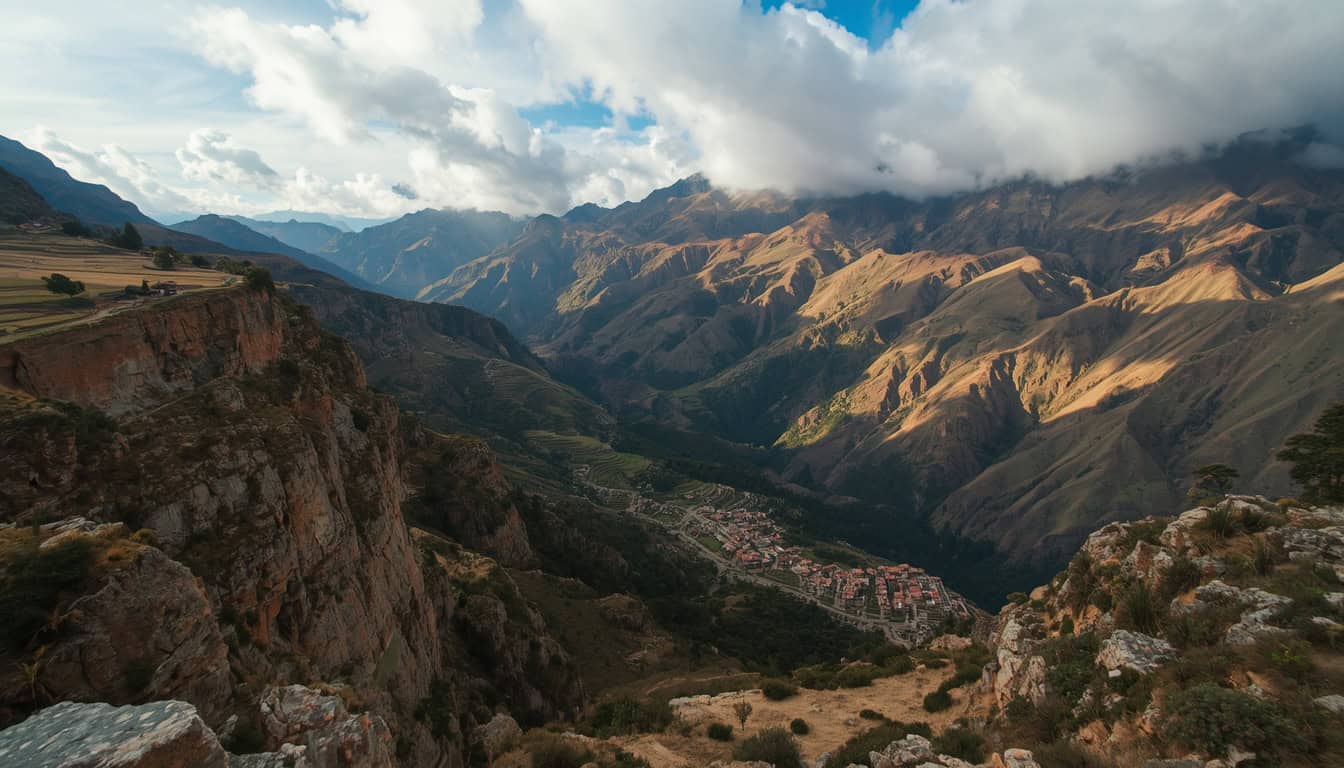
Home to the Inca Trail and many alternative treks, this region blends mountain scenery with ancient history. Machu Picchu is the highlight, but treks like Salkantay and Ausangate are also memorable. Allow time to acclimatise to altitude, and check permit requirements, which can sell out far in advance.
Oceania
14. Southern Alps, New Zealand
Aoraki/Mount Cook, glaciers, and turquoise lakes dominate the South Island’s alpine backbone. Day walks like the Hooker Valley Track suit most fitness levels, while experienced mountaineers can tackle serious climbs. Weather can turn quickly, so check forecasts and conditions before you set off.
15. Blue Mountains, Australia
Not as high as other ranges on this list, but beautiful and accessible, the Blue Mountains offer sandstone cliffs, eucalyptus forests, waterfalls, and lookout points like the Three Sisters. It’s an excellent choice for day trips and beginner-friendly hikes. Summer bushfire risk and sudden weather changes mean you should check local alerts.
Quick Guide by Interest
- Best for beginners: Blue Mountains, Dolomites, Swiss Alps
- Best for classic multi-day treks: Tour du Mont Blanc, Everest region, Torres del Paine
- Best for dramatic scenery: Patagonia, Canadian Rockies, Drakensberg
- Best for culture and history: Andes around Cusco, Ladakh, Everest region
- Best for climbing and summit challenges: Kilimanjaro, Mont Blanc, Southern Alps
- Best for wildlife: Canadian Rockies, Rwenzori, Yosemite and the Sierra Nevada
How to Choose the Right Mountain Destination
- Match your fitness and experience. Be realistic about distances, altitude, and technical difficulty.
- Pick the best season. Weather, snow, and trail access vary greatly through the year.
- Consider altitude. Above roughly 2,500 metres, altitude sickness becomes a risk, so plan gradual ascents.
- Think about logistics. Permits, guides, transport, and accommodation can require advance booking.
- Set a budget. Switzerland and Canada tend to cost more than Nepal or parts of South America.
Essential Gear Checklist
- Sturdy, broken-in hiking boots and good socks
- Layered clothing, including a waterproof jacket and warm insulation
- Backpack with a rain cover
- Sun protection: hat, sunglasses, and sunscreen
- Headlamp, map, compass, and offline navigation
- First-aid kit and any personal medication
- Water bottles or a hydration system, plus a filter or purification tablets
- Energy-rich snacks and emergency food
- Trekking poles for steep or uneven terrain
- Whistle and emergency blanket
Mountain Safety Tips
- Check the weather. Mountain conditions can change in minutes, and storms are dangerous.
- Start early. This gives you extra daylight and avoids afternoon storms in many ranges.
- Don’t ignore altitude sickness. Headache, nausea, dizziness, and breathlessness are warning signs. Descend if symptoms worsen.
- Tell someone your plans. Share your route and expected return time.
- Hike with others when possible. Stay on marked trails, and don’t take risks to reach a summit.
- Hire a qualified guide for technical terrain. For glacier travel, climbing, and high-altitude peaks, professional guidance is wise.
- Buy travel insurance. Make sure it covers the altitude and activities you plan.
- Know your limits. Turning back is always an option, and the mountain will still be there.
Leave No Trace and Respect Local Communities
- Pack out all rubbish, including food scraps and toilet paper where required
- Stay on marked paths to protect fragile vegetation
- Keep a safe distance from wildlife, and never feed animals
- Respect local customs, sacred sites, and mountain communities
- Hire local guides and porters who are treated and paid fairly
- Avoid fires unless they are permitted in designated areas
Final Thoughts
The best mountain destination is the one that fits your fitness, your interests, and your sense of adventure. A gentle trail with a big view can be just as rewarding as a high-altitude summit. Choose a range that excites you, prepare carefully, respect the conditions, and take your time. The mountains reward patience, and the memories you bring home tend to last a lifetime.
Note: Trail conditions, permits, seasons, and safety advice change often. Check official park and tourism websites, and speak to a doctor or travel clinic about altitude and health precautions before you travel.