
Best Camping Hammocks with Mosquito Nets
Sleep off the ground, above the bugs: how to choose the right bug-proof hammock, plus top picks for every budget.
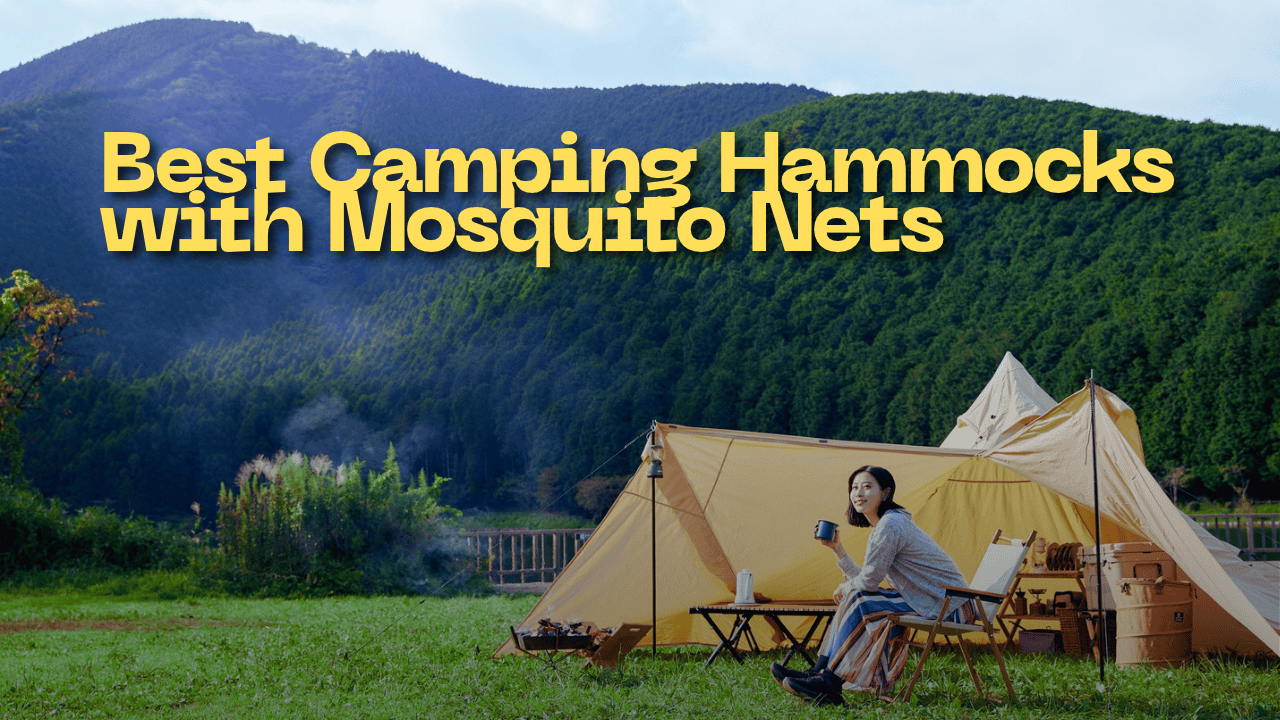
There’s something wonderfully simple about hammock camping. You hang between two trees, climb in, and let the breeze rock you to sleep. No flat ground needed, no rocks poking your back, and no scrambling when it rains. The one problem is mosquitoes, midges, and other biting bugs that find a hammock-sleeper irresistible.
That’s where a hammock with a built-in or attachable mosquito net comes in. This guide explains what to look for, compares the main styles, and recommends options for casual campers, backpackers, and serious hammock fans. Prices are approximate and change often, so check current listings before buying.
Why Choose a Hammock with a Mosquito Net?
- Bug protection: A full net keeps out mosquitoes, flies, ticks, and crawling insects, which makes warm, humid nights far more comfortable.
- Lighter than a tent: A hammock, net, and suspension system often weighs less than a tent, and packs smaller.
- Works on tricky terrain: Sloped, rocky, or root-covered ground is no problem when you’re hanging above it.
- Comfort: A properly hung hammock cradles your body and removes pressure points.
- Quick setup: Once you know the knots or straps, you can be ready in minutes.
The trade-offs are that you need suitable trees or anchor points, you’ll need insulation underneath in cooler weather, and there’s a short learning curve.
What to Look for in a Bug Net Hammock
Net Design
- Built-in (integrated) net: The net is sewn into the hammock, forming a cocoon with a zipper. It’s simple, secure, and fast to set up. Many beginner-friendly models work this way.
- Separate, removable net: The net hangs over a regular hammock on a ridgeline and can be removed when bugs aren’t a concern. This offers flexibility but takes a little more setup.
- Bottom bug protection: Mosquitoes can bite through a thin hammock bottom. Better models use double-layer fabric or a full-enclosure net for protection from every side.
Fabric
Most camping hammocks use ripstop nylon or parachute nylon. Ripstop resists tearing, while lighter fabrics save weight but may feel less durable. Check the denier rating (a measure of thickness) and the weight capacity.
Weight Capacity and Size
Look for a capacity of at least 400 pounds for a single hammock, which gives you a good safety margin. A length of about 9 to 11 feet is ideal for lying slightly diagonal, which is the key to a flat, comfortable sleep.
Suspension System
Tree-friendly straps are better than rope, because wide straps protect the bark. Look for adjustable straps with loops that make setup easy, and carabiners that are rated for load. Some kits include everything, while others require a separate purchase.
Zipper Quality
A smooth, snag-resistant zipper is vital on a bug net. Cheap zippers are the most common failure point, so read reviews carefully.
Packed Weight and Size
Backpackers should aim for a complete kit under about 2 to 3 pounds, while car campers can enjoy a bulkier, roomier hammock.
Best Camping Hammocks with Mosquito Nets
Best Overall for Beginners: Wise Owl Outfitters Hammock with Net (about $50–$80)
Wise Owl Outfitters makes beginner-friendly hammocks that come with straps and a net as part of the package. They’re easy to set up, comfortable, and affordably priced, which makes them a solid first hammock for weekend trips.
Best for: First-time hammock campers and casual weekends.
Best Budget Pick: Kootek or Similar Hammock with Mosquito Net (about $30–$50)
Budget hammocks from brands like Kootek combine a ripstop nylon hammock with a built-in net, often including straps and carabiners. They’re not the lightest, and the finishing may be less refined, but they offer excellent value for occasional use.
Best for: Backyards, festivals, and occasional camping on a budget.
Best Ultralight Option: Sea to Summit Hammock Set or Similar (about $100–$180)
If you’re counting grams on the trail, a lightweight hammock system from a brand like Sea to Summit is worth considering. These sets pack tiny and use durable, lightweight fabrics, though a net sold separately or sewn in will add to the price.
Best for: Backpackers and thru-hikers.
Best Premium Pick: Hennessy Hammock Explorer Series (about $200–$300)
Hennessy Hammocks pioneered the integrated asymmetric design, with a built-in bug net, a rainfly, and a side entry that protects you from bugs and weather in one package. It takes a bit of practice, but many dedicated hammock campers swear by it.
Best for: Serious hammock campers and long trips.
Best Complete Setup: ENO Skyloft or Similar Systems (about $200–$300)
Eagles Nest Outfitters (ENO) is one of the best-known hammock brands, and its bug-net systems are popular for their quality construction and wide range of compatible accessories. Many hammock fans build up their kit over time with an ENO hammock, straps, a rainfly, and a bug net.
Best for: Campers who want a modular, well-supported system.
Quick Comparison
| Style | Net Type | Best For | Typical Price |
|---|---|---|---|
| Budget integrated | Built-in | Casual camping | $30–$50 |
| Mid-range integrated | Built-in with straps | Weekend trips | $50–$100 |
| Ultralight set | Separate or built-in | Backpacking | $100–$180 |
| Premium all-in-one | Built-in with rainfly | Serious campers | $200–$300 |
| Modular system | Removable net | Flexible use | $200–$300 |
Don’t Forget: Insulation and Rain Protection
A bug net handles insects, but two other pieces make a hammock comfortable on real trips.
- Underquilt: The air under you compresses your sleeping bag and steals warmth, even in mild weather. An underquilt hangs below the hammock and keeps you warm. A sleeping pad can serve as a budget alternative, though it can shift around.
- Rainfly or tarp: A tarp strung above your hammock keeps you dry. Look for a size at least a foot longer than the hammock at each end for good coverage.
Setup Tips for a Better Night’s Sleep
- Choose your trees carefully. Look for healthy, living trees about 12 to 15 feet apart, and avoid dead branches overhead.
- Hang at a good angle. Aim for a 30-degree angle on your straps, and avoid pulling the hammock too tight. A slight sag is what gives you a comfortable, flat lie.
- Lie diagonally. Position your body at a slight angle to the hammock’s length, which flattens your back.
- Hang at chair height. This makes it easy to get in and out, and limits the drop if something goes wrong.
- Check for gaps in the net. Make sure the zipper is fully closed and the net isn’t touching your skin, where bugs can bite through.
- Practice at home. Set up your hammock in the backyard before your first trip.
- Follow local rules. Some parks and campgrounds restrict hammock use or require wide straps to protect trees.
Final Thoughts
A hammock with a mosquito net can transform your camping, especially in warm, buggy places where a tent feels stuffy. For beginners, an affordable integrated-net hammock with included straps is the easiest way to give it a try. As your passion grows, you can upgrade to an underquilt, a quality tarp, and a lighter, more refined system.
Whichever you choose, remember the three keys to a great hammock night: bug protection, good insulation, and a proper hang. Get those right, and you may never want to sleep on the ground again.
Prices and specifications vary by retailer and model year. Always verify current details before purchasing, and check manufacturer weight limits and setup guidance.