
12 Best Camping Gadgets That Make Outdoor Adventures Easier
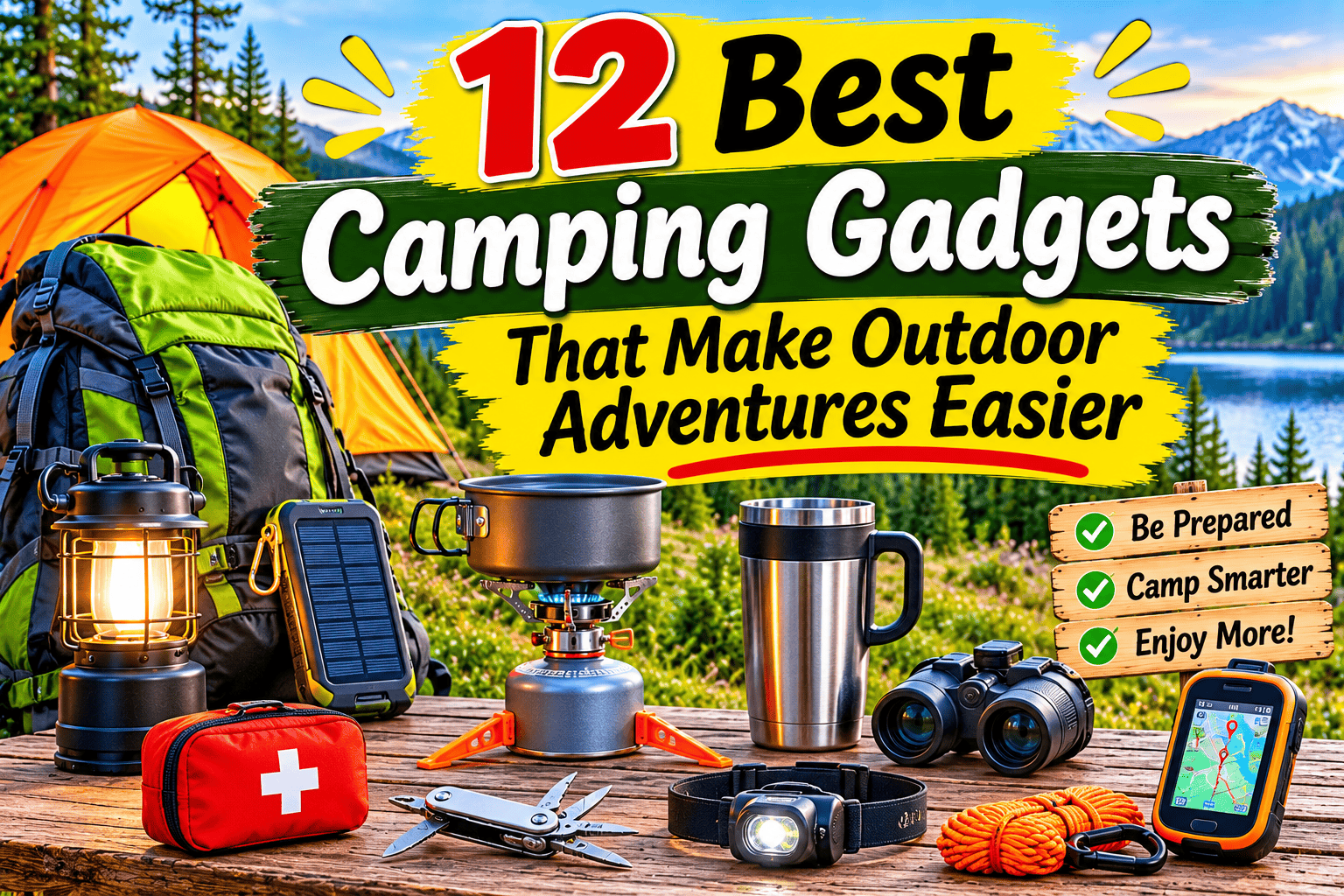
Camping is at its best when the small problems stay small: a dead torch, a cold sleeping pad, a pot that won’t boil in the wind. The right gadgets don’t replace skill or good planning, but they take the friction out of a night outdoors so you can spend your energy on the fire, the view and the people you came with.
The 12 items below cover sleep, light and power, food and water, and safety. They are chosen for usefulness, not novelty, and each one solves a problem most campers meet sooner or later. Whether you are pitching a tent in the Drakensberg or at a lakeside site, they are worth a spot in the boot.
Sleep and shelter
1. Self-inflating sleeping pad
A good night’s sleep decides how the whole trip feels, and the ground is colder and harder than most people expect. A self-inflating pad insulates you from the earth and fills with a few breaths or a short pump. Look at the R-value, which rates insulation: a higher number means more warmth for cold nights.
2. Compact camping pillow
A rolled-up jacket works, but an inflatable or foam-core camping pillow packs down to the size of a fist and supports your neck properly. It is a small change that makes a surprisingly large difference to how rested you feel in the morning.
3. Tent footprint and repair kit
A footprint is a groundsheet cut to fit under your tent. It shields the floor from stones and moisture and extends the life of the tent. Pair it with a repair kit of fabric patches, spare pole sleeve and seam sealer so a torn flysheet or snapped pole doesn’t end the trip.
Light and power
4. Rechargeable headlamp
A headlamp keeps both hands free for cooking, pitching the tent or walking to the bathroom at night. Choose one with a red-light mode, which protects your night vision and won’t blind your campmates, and a USB-C rechargeable battery so you aren’t hunting for spares.
5. Collapsible camping lantern
Where a headlamp lights what you are looking at, a lantern lights the whole camp. Collapsible LED models fold flat, run for many hours on one charge and hang from a tent loop or tree branch for soft, even light at the table.
6. Portable power bank or solar charger
Phones double as cameras, maps and emergency radios, so a dead battery is more than an inconvenience. A power bank in the 10,000 to 20,000 mAh range recharges a phone several times over. On longer trips, add a foldable solar panel to top it up during the day.
Cooking and water
7. Compact gas stove with a windscreen
A small canister stove boils water in minutes and works when wood is wet or fire bans are in force. Many models fold to the size of a deck of cards. Add a windscreen, because wind steals more heat than most beginners realise and wastes a lot of fuel.
8. Water filter or purifier
Clean water is the one thing you cannot skip. A squeeze filter or pump filter removes bacteria and protozoa from streams and dams, so you carry less water and have a backup if your supply runs short. Check what your model does not remove, such as viruses in some regions, and treat water accordingly.
9. Insulated cooler and vacuum flask
A quality cooler keeps food safe and drinks cold for days, which matters in hot weather. A vacuum-insulated flask is its small cousin: fill it with boiling water at dawn for tea or coffee, or soup at lunchtime, without lighting the stove again.
Safety, navigation and convenience
10. Multi-tool or folding knife
From opening tins to trimming rope and fixing zips, a multi-tool replaces a drawer of loose items. Pick one with pliers, a blade, a can opener and a screwdriver, and keep it somewhere you can reach it quickly.
11. Compact first-aid kit with a whistle and emergency blanket
Blisters, cuts and insect bites are the usual camp injuries, and a small kit handles them. Make sure it includes plasters, antiseptic, tape and any personal medication. A whistle carries much further than a shout, and a foil emergency blanket weighs almost nothing but can prevent a cold night turning dangerous.
12. Handheld GPS or offline maps with a paper backup
Phone signal drops out quickly in the bush. A handheld GPS or a phone loaded with offline maps keeps you oriented when there are no bars. Carry a paper map and compass as a backup, and tell someone your route and expected return time before you leave.
Choosing and packing smart
You don’t need all 12 on your first trip. Start with the items that protect sleep, water and safety: the sleeping pad, headlamp, water filter and first-aid kit. Add the rest as you learn what your own style of camping demands.
When buying, favour gear that is light, rechargeable where possible and easy to repair. Test everything at home before you leave, because the middle of a campsite is a poor place to discover a flat battery or a missing part. Pack well, and the gadgets will fade into the background and leave you with the outdoors.